Many UK cafe, restaurant and pub owners tell me the same story. They spent good money on a website years ago, yet it sits quietly in the background while they chase customers on social media or Google ads. With rising costs and fierce competition from chains, you cannot afford to leave this powerful tool idle.
Your website can become a steady source of free traffic, enquiries and bookings if you give it the right attention. The good news is you can start making real changes this week without spending a penny.
Here are seven straightforward steps that work for independent hospitality venues across Britain.
1. Claim and fully optimise your Google Business Profile
This free tool sits at the heart of local searches such as “best cafe near me” or “family pub [your town]”. Link it directly to your website, add fresh photos of your dishes and interior every week, and reply to every review. Some small hotels have doubled their weekend enquiries simply by keeping their profile active. Do this today: log in, update your opening hours and post a photo of today’s special.
2. Add a short blog section with useful local content
Write one 400-word post each month about neighbourhood events, seasonal ingredients or “how to plan the perfect Sunday roast at home”. These pieces rank well for free restaurant promotion and give you content to share on social media. A Bristol cafe owner started a simple “Local Walks and Lunch Stops” series and saw organic traffic rise by 40 percent in three months. Use free tools such as Google Docs to draft posts and your existing website editor to publish them.
3. Make your site fast and mobile-friendly
Most people now book tables or check menus on their phones while walking down the high street. Run your site through Google’s free PageSpeed Insights tool and fix the quick wins it suggests, such as compressing images. A slow site loses customers before they even read your menu. This single change often delivers the biggest improvement in conversion rates for independent venues.
4. Place clear calls to action on every page
Your homepage, menu and contact pages should each feature one obvious button: “Book a Table”, “View Today’s Menu” or “Reserve for Tonight”. Use simple language and bright colours that match your branding. When visitors land on your site they should know exactly what to do next. Test it yourself on your phone this afternoon and remove any confusing navigation.
5. Capture emails with a simple offer
Build a small list of loyal customers who receive monthly updates about special events and early-bird menus. Offer a free drink or 10 percent off their next visit in exchange for their email address. Email remains one of the cheapest and most effective ways to drive repeat bookings for pubs and hotels. Free plugins on WordPress or built-in tools on most website builders make this easy to set up in under an hour.
6. Share website content on your social channels
Every new blog post or menu update should be posted on Facebook, Instagram and LinkedIn with a direct link back to your site. Encourage happy customers to leave Google reviews that mention your website. This creates a steady flow of free traffic and strengthens your local cafe marketing without any advertising spend.
7. Track results with free Google Analytics
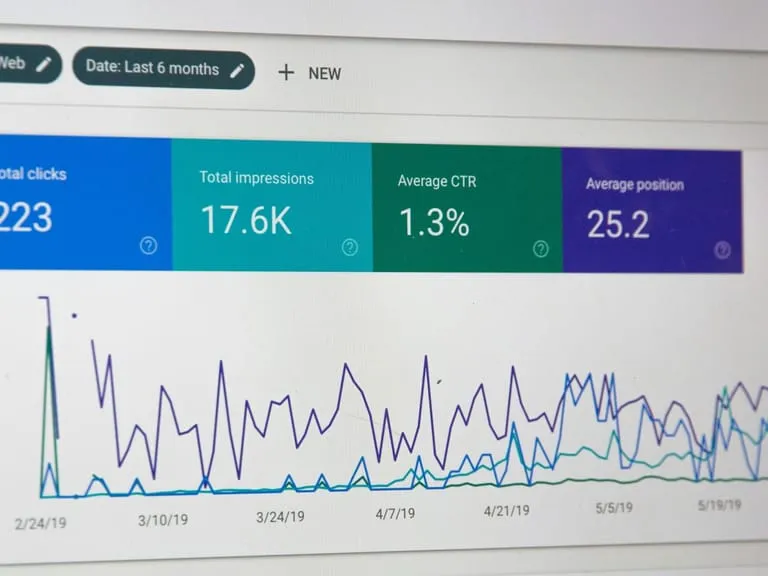
Set up the free version today and check which pages bring the most visitors. You will quickly see whether your new blog posts or updated menu page are working hardest. Focus your limited time on the tactics that deliver results. Many owners are surprised to discover their quiet “About Us” page is actually driving bookings once they add a clear call to action.
Your website is already paid for. It is time to make it earn its keep. Choose just one of these actions and complete it before the end of this week. Update your Google Business Profile, publish your first blog post or add a booking button. Small, consistent steps like these have helped dozens of independent hospitality businesses across the UK turn quiet websites into reliable customer magnets.
Start today and watch the enquiries roll in. Your next loyal customer is already searching. Make sure they find you first.