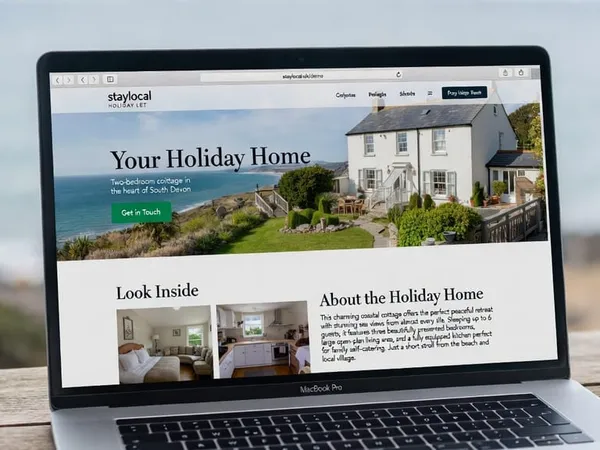

Many holiday cottage owners notice the same thing each year. Guests hunt for last minute getaways when the forecast looks good. Or they check the long range outlook before booking a cosy autumn escape. This simple habit creates a golden chance for you to pull in direct bookings instead of paying big commissions to booking platforms.
A dedicated holiday let website lets you turn weather into a helpful tool that brings visitors straight to your property. Unlike big sites that bury your listing among thousands, your own page can feature local forecasts, seasonal highlights, and booking prompts right where people need them. One extra direct booking often covers the whole cost of a simple no commission holiday home website and then you keep every penny after that.
Think about how people plan short breaks. They type in the name of a village or coastal spot plus the word weather. They want to know if it is worth packing the wellies or the sunscreen. Your site can answer that question and gently guide them to book with you.
Start by adding a clean weather widget to your one page website. Choose one that shows the next seven or fourteen days for your exact location. Keep it simple. A clear box at the top or in the sidebar works well. Guests see it immediately and it feels useful rather than salesy.
Next, write a few short articles that match what people search for. A piece called “Planning a Spring Break in the Cotswolds” can mention typical March temperatures and why your cottage with its log burner is ideal when the days are still chilly. Another on “Winter Walks in the Lake District” can highlight average rainfall and the joy of coming back to a warm kitchen after a crisp day outside. These pages pull in traffic from search engines and turn browsers into bookers.
Focus on out of season opportunities. Many owners struggle with quieter months. Yet plenty of couples and small families look for peaceful breaks when the schools are out. Content about cosy winter weekends, wildflower walks in May, or autumn colour in the Yorkshire Dales speaks directly to them. Include a gentle call to action at the end of each article. Something like “Check availability for your perfect escape” helps turn interest into a booking.
Your holiday let website can go one step further. Add a simple section called “Best Time to Visit”. List the advantages of each season with honest details. January might bring dramatic coastal storms but also empty beaches and lower prices. July offers long sunny evenings but busier paths. Guests appreciate the straight talk and often book the dates that suit them best.
This approach works especially well for owners who want more control. When someone finds your site through a weather search they arrive ready to book. There are no extra fees to pay. No rules about minimum stays set by a platform. You chat directly, answer questions about the wood burner or the dog friendly garden, and build a relationship that leads to repeat visits.
Many cottage owners already pay for professional photos and a nice description. Adding weather content costs almost nothing extra yet brings fresh visitors every week. Search engines love regularly updated pages. A new forecast widget or a short seasonal note keeps your site active in their eyes.
Pair this with your own booking calendar and you create a complete direct bookings system. Guests see the weather, fall in love with your photos, check live availability, and send an enquiry or book instantly. No middleman taking fifteen or twenty percent.
Local knowledge gives you an edge too. Mention micro climates that visitors might not know. That sheltered spot in Cornwall that stays warmer than expected. Or the clear skies up in the North Pennines perfect for stargazing. Small details like these make your holiday let website stand out and encourage people to choose you over generic listings.
Owners who try this often see enquiries rise in shoulder seasons. One client in Devon noticed more February bookings after adding a simple storm watching guide. Another in Norfolk picked up extra November stays with content about cosy fireside weekends. These extra bookings add up fast and help cover costs when bigger platforms go quiet.
Creating this content does not need to be complicated. Jot down what you already tell guests on the phone. What do they ask about the weather? When do they worry about flooding or wind? Turn those answers into helpful notes. Update them every few months to keep things fresh.
Remember that your goal is simple. Give people the information they are already searching for and make it easy to book directly with you. A beautiful one page site with integrated enquiry forms does exactly that without ongoing commission charges.
Many UK holiday home owners are now moving away from high fee platforms. They want to keep more of their earnings and speak directly with their guests. A well thought out holiday let website built around practical information like weather is one of the easiest ways to make that shift.
If you would like to see how this could look for your property, get in touch for a free website mock up. We will create a quick example page showing your photos with weather features and a direct booking form. Your next booking could be just one helpful weather page away.