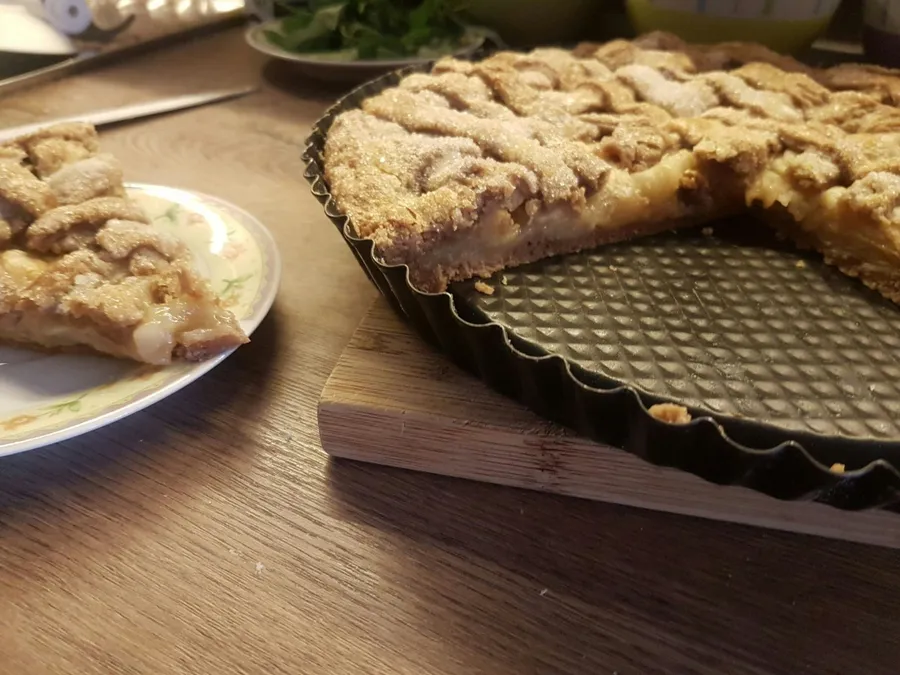
Every booking is a pie. You set the price, the guest pays, and a slice is gone before the plate reaches you. That is the fee. It does not arrive as a bill. It is missing from the payout, so it feels like the cost of being on the site.
The reason the slice feels worth giving up is the protection. A checked guest. A score from the last host. Someone to call if they wreck the house. That is why a direct booking looks like a risk.
Look at what is actually in the slice. The score is the normal score. The damage programme is not a policy in your name. The passport check you think you are buying is a £1.25 step you can opt into, on the Stripe account a booking deposit needs anyway.
How big the slice is
Airbnb’s current single service fee for most hosts is 15.5 per cent, paid by the host. About one booking in six. The company set that out in its fee note of 7 July 2026, updated 24 August 2026. The old split, a small slice from you and a larger one from the guest, is being folded into that one cut.
On a year of £25,000 booked through Airbnb, about forty weeks at £625, the slice is £3,875.
If you are not VAT-registered, the slice is bigger. Airbnb’s own example, in that same note, adds 20 per cent VAT on the fee and takes both off before you are paid. Fee plus that VAT is £4,650 on the £25,000 year. Closer to a fifth of the pie than a sixth. If you are registered, you may reclaim the VAT and the slice stays nearer £3,875. Most owners of one house are not registered.
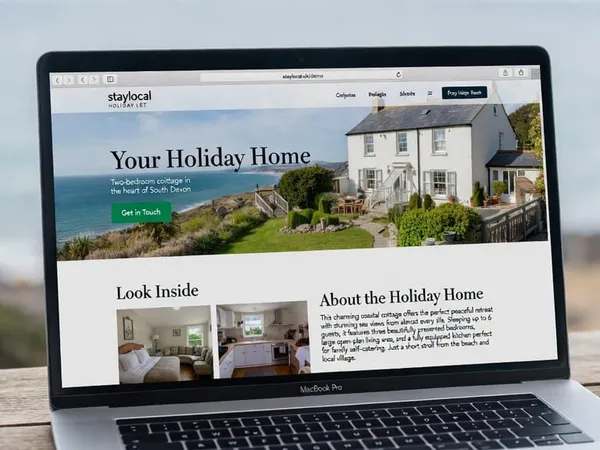
The slider on the StayLocal sales page uses a sixth, labelled 15 per cent. The sum above uses Airbnb’s published 15.5, then the VAT Airbnb shows in its own example.
The stars are not in the slice
A large part of what owners think they are paying for is the guest score. It does not sort guests. Nearly every listing sits at 4.5 or 5. A blunt review is the awkward choice, so hosts soften what they write. A new account has no history. The review lands after the damage. That case is why a five-star guest tells you almost nothing.
The identity tick on the request is a person-exists test. It does not tell you how they left the last house. A guest who was a problem can open a fresh account as easily as a new email address, and the old write-up stays on the old profile. If you take a booking deposit, you need a Stripe account for the card. You can opt to run the same kind of document check through that account: a passport or driving licence and a selfie. Stripe’s UK page lists it at £1.25 when the check finishes. The scan stays with Stripe. How the guest does it is in verify every guest for less than a coffee.
Forty of those checks is £50. That is the size of the slice on a single £320 week, not on the year.
AirCover is not insurance
The other thing the slice is meant to buy is damage cover. Airbnb’s own help page is plain about it. Host damage protection “is not insurance or a financial service.” The public cap is $3 million. That figure is theirs, in dollars.
The path is also theirs. You document the damage. You file in the Resolution Centre within 14 days of the guest’s checkout. The request goes to the guest first. They have 24 hours to pay or refuse. Only then can you ask Airbnb in, and the documents have to be with that request inside 14 days of the damage or loss. Wear and tear is out. They decide.
Host liability insurance is a different product. Do not mix the two. The damage programme is the one owners mean when they say they are covered, and Airbnb says it is not a policy. A Glasgow host told a magazine she was left with more than £3,500 of damage and £570 back. Those figures are her account. The shape of it is in when AirCover is not enough.
Serious hosts already have a holiday-let policy in their own name. AirCover does not follow a guest who booked on your site. The policy does, if you bought the right one.
Who decides
On Airbnb, Airbnb decides the claim. On a booking you take yourself, a hold on the guest’s card is your decision. You release it, or you keep what the terms allow, against an invoice you can show. House rules they have signed sit under that hold. The demo terms are the shape of it.
The pie you keep
For the same £25,000, taken on a site you own, the platform slice does not come off.
StayLocal’s published price on the sales page is £120 a year. No slice of the booking.
One Stripe account, because the deposit has to land somewhere. You can opt to run the passport check through it. Forty checks at £1.25 is £50. The form can send the guest to the check, so you are not emailing a link. The scan stays with Stripe. If it does not come back verified, they do not get the address.
The card fee is still yours. Stripe’s UK rate on a standard card is 1.5 per cent plus 20p. On £25,000 and forty payments that is about £383. That is the cost of taking the card yourself, not a slice for a marketplace.
Site, checks and card fee come to about £553, against a £3,875 slice before VAT on the fee. You still want your own holiday-let insurance. You should have that on the Airbnb bookings too.
You can keep taking bookings on the platform. Repeat guests, and anyone who already has your number, are the ones that do not need a marketplace to find you. Those are the pies you can stop cutting. The five-star reviews are not a reason to keep handing over the slice on them.
The slider is on sites.staylocal.uk. Put your own bookings in.
Key sources
- Airbnb Resource Centre, “Simplifying service fees on Airbnb”, 7 July 2026, updated 24 August 2026. Single host service fee of 15.5 per cent for most hosts. Worked VAT example: £115 price, fee £17.83, VAT £3.57, guest price £119, host payout £97.60.
- Airbnb Help Centre, Host damage protection. “Host Damage Protection is not insurance or a financial service.” File within 14 days of checkout. Guest has 24 hours to respond. Cap published as $3 million. Wear and tear excluded.
- Stripe Identity, UK page. Document and selfie verification £1.25. Stripe stores the verification data. Stripe UK card pricing commonly quoted at 1.5 per cent plus 20p on a standard UK card.
- StayLocal sales page, sites.staylocal.uk. Published fee £120 a year. Commission slider labelled at 15 per cent.
- Zervas, Proserpio and Byers, Marketing Letters, 2021, on listing-score inflation. Fradkin, Grewal and Holtz, Marketing Science, 2021, on double-blind reviews. Both used in why a five-star guest tells you almost nothing.
- Take a Break, “Airbnb nightmares”, updated 20 March 2024. Unnamed Glasgow host. Figures are her account. Written up at staylocal.uk/aircover-gap.